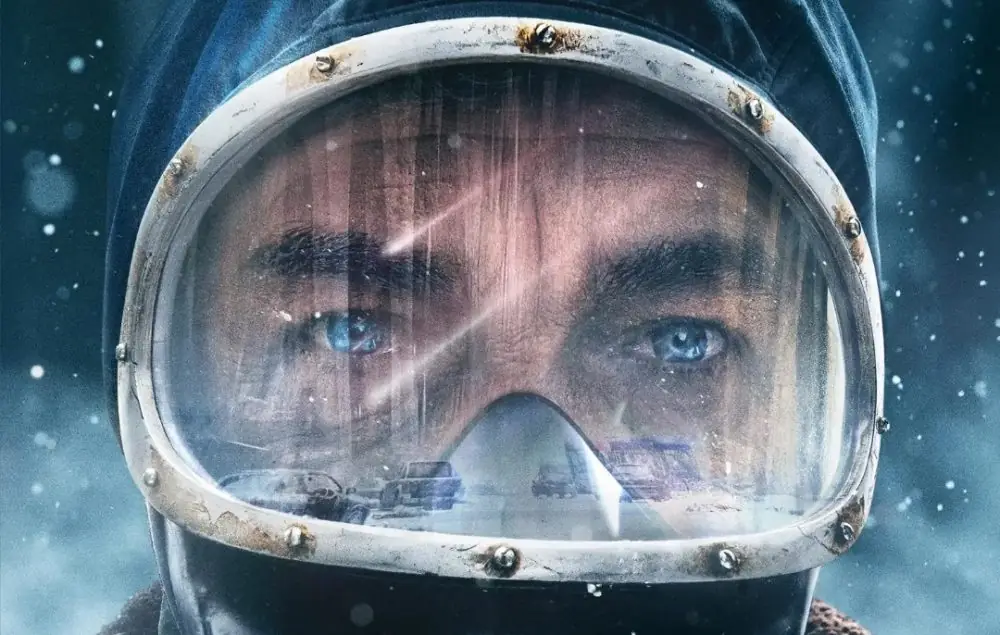
AI is rewriting the rules of visual effects, and Netflix just proved it with “The Eternaut.” In its boldest tech move yet, the streaming giant turned to generative AI to craft a massive building collapse in the middle of Buenos Aires. This was not a test scene or a hidden experiment.
It was the first time AI-generated final footage appeared in a Netflix original, setting a milestone that shook both Hollywood and tech circles.
The show’s production team built the sequence in record time, about ten times faster than traditional methods!
View this post on Instagram A post shared by The Eternaut (@theeternaut.netflix)
For a series with a tight budget, this approach made an impossible scene suddenly doable. A standard VFX setup would have cost far more than “The Eternaut” could handle. So, AI became the secret weapon that unlocked blockbuster visuals without blockbuster spending.
A Strategic Play for Creativity and Costs
Netflix’s leadership is leaning into this new era. Co-CEO Ted Sarandos made it clear this is not just about cutting costs. He said AI opens doors for creators, giving them new ways to push stories further. That means smaller shows can now try things that used to be out of reach, from giant set pieces to effects that feel like big-budget films.
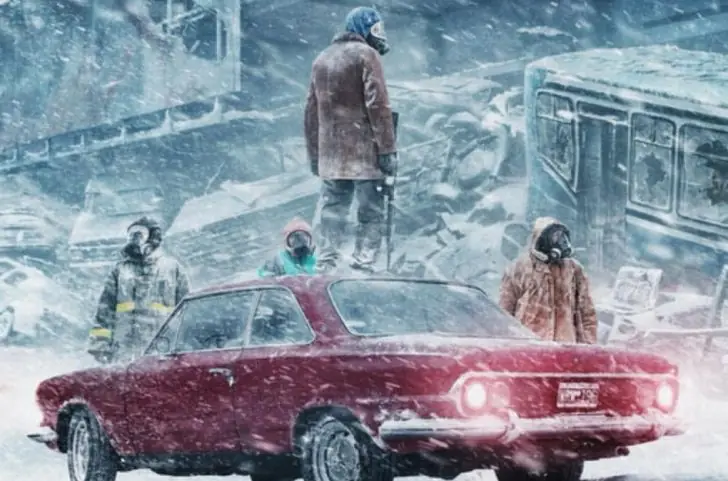
This shift also shows how Netflix is future-proofing its productions. The company reported strong Q2 2025 numbers with $11 billion in revenue, up 16 percent year over year, fueled by global hits like “Squid Game” Season 3. Behind those numbers is a clear strategy: Use tech like AI to stretch every dollar while keeping the content pipeline full and ambitious.
Industry Questions and Growing Tension
But the excitement comes with real tension. Some VFX artists and industry pros worry about what happens to jobs when AI takes over tasks once done by humans. Those fears fueled heated conversations during the Hollywood strikes of 2023. Many artists ask if a cheaper scene today means fewer creative careers tomorrow.
Ethical questions also hover over AI-generated content. Critics argue that some AI tools learn from existing works without permission. That raises hard questions about ownership and credit. As studios rush to adopt these tools, watchdogs and unions are calling for clearer rules before things spiral out of control.
Beyond VFX, AI Is Reshaping Netflix
Even studio heads are paying attention. Tyler Perry, known for his rapid studio expansion, publicly hit pause to rethink the future of his workforce. If AI can speed up production but shrink opportunities for artists, leaders like Perry want to know where that balance lies before making big investments.
At the same time, AI is changing more than just special effects. Netflix is rolling out AI-powered search features that let viewers ask for something like “funny and upbeat” instead of typing titles. It is testing interactive ads and AI-crafted product placements, such as “Stranger Things” themed virtual backdrops, to create fresh ways of reaching audiences.
By showing that AI can deliver a spectacular building collapse on a tight budget, the giant streamer just sent a clear message to competitors: Smart tech can fuel bold storytelling.
If anything, “The Eternaut” will be remembered not just for its plot but for what it represents. It is proof that AI is stepping out of the lab and onto the screen in a big way. Viewers get jaw-dropping visuals. Studios get leaner budgets. And the entire industry now faces big questions about what comes next.