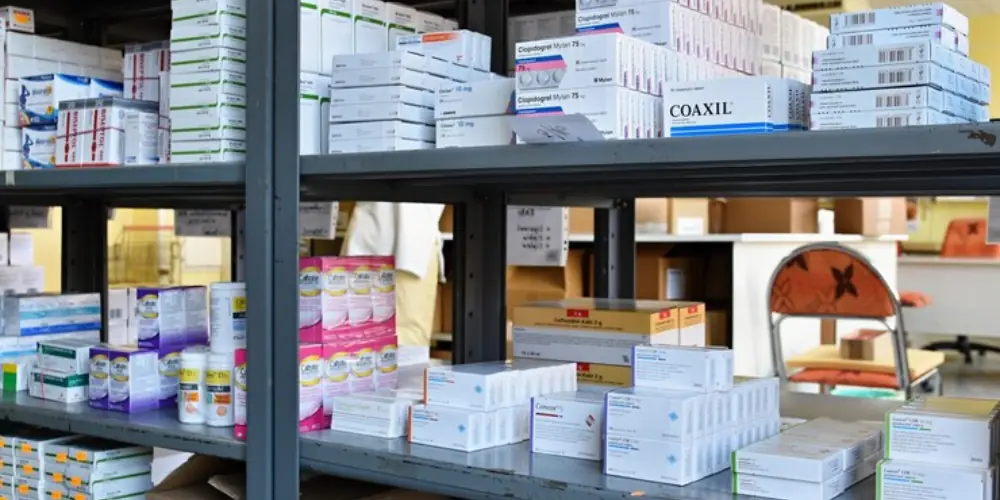
In recent years, a disheartening trend has emerged across the United States: the steady closure of drugstores in predominantly minority neighborhoods. This phenomenon raises critical questions about access to healthcare and the underlying factors driving these decisions.
From Boston to Los Angeles, the shuttering of over 1,000 drugstore chain locations, including those of Rite Aid, Walgreens, and CVS, has sparked concerns and protests. But why is this happening, and what does it mean for the communities affected?
The Closing Wave: A National Concern
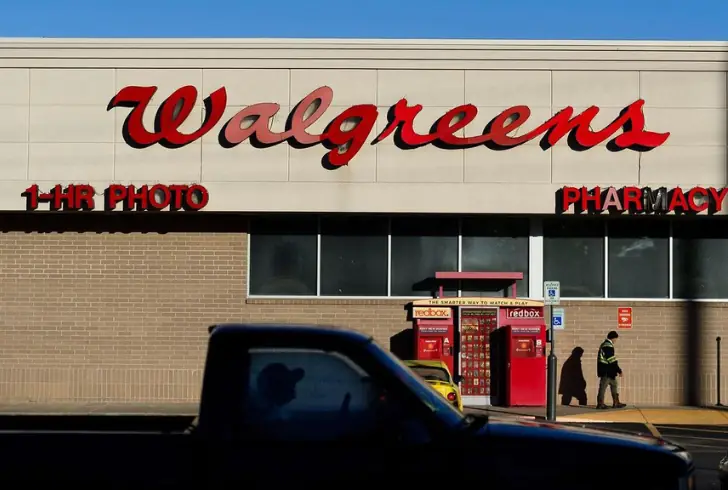
Let’s take a closer look at the situation. Major pharmacy chains like Rite Aid, Walgreens, and CVS have collectively announced the closure of over 1,500 stores in the past two years, as reported by the Washington Post. This development isn’t just a number; it’s a significant blow to the accessibility of healthcare, particularly in minority neighborhoods.
For instance, Rite Aid faced bankruptcy in October, Walgreens recently saw a significant drop in its stock value, and CVS has been cutting down its store count since 2018. These closures are attributed to various factors: fierce competition from giants like Amazon and Walmart, staffing challenges, and changing consumer behaviors.
The Impact on Independent Pharmacies
It’s not just the big players feeling the heat. Over the last decade, thousands of independent pharmacies have shut their doors, leaving a gaping hole in healthcare provision, especially in areas where they were the only accessible option.
A Disturbing Pattern in Minority Communities

A study by Cornell and Yale University researchers in 2022 revealed a startling fact: out of 670 identified pharmacy deserts in New York City, Los Angeles, Chicago, and Houston, nearly all were in predominantly minority neighborhoods.
To quote Xiaohan Ying, the lead author of the study, “In Chicago, nearly 25% to 33% of residents live in areas with limited pharmacy access, known as pharmacy deserts. This issue disproportionately impacts predominantly Black neighborhoods, where over 50% of the population is affected.”
The Story Behind the Closures
There’s a pattern to these closures. They predominantly occur in Black or Latino communities. These neighborhoods often have many residents on public healthcare programs like Medicaid, which offers lower medication reimbursement rates than private insurers. As a result, pharmacies in these areas might not be as profitable as those in wealthier neighborhoods.
A Glimmer of Hope?
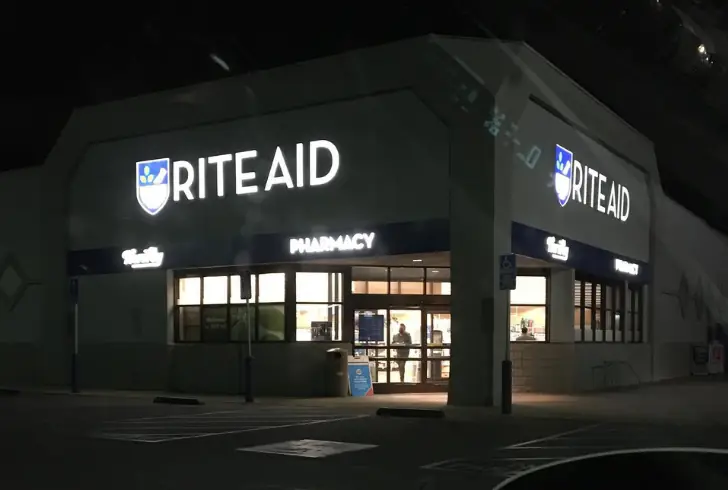
Despite this bleak picture, there are efforts to counter the trend. Rite Aid, for instance, has started opening small-format stores in rural Virginia, aiming to combat the issue of pharmacy deserts. These stores are smaller but strategically placed to offer necessary healthcare services where they are most needed.
The Cost of Inaccessibility
The implications of pharmacy closures go beyond mere inconvenience. A study in the Journal of the American Medical Association highlighted a harsh reality: those without easy access to pharmacies are more likely to neglect their medication, leading to worsening health conditions and additional strain on the healthcare system. The estimated cost of medication non-adherence in the U.S. ranges between $100 billion and $290 billion annually.
Looking Ahead: A Call for Equitable Access
As we ponder over these developments, the question of equitable healthcare access comes to the fore. The closures of these pharmacies aren’t just business decisions; they’re a matter of public health, especially in underserved communities. It’s crucial to address this disparity and find sustainable solutions that ensure everyone, regardless of their neighborhood or economic status, has access to essential healthcare services.
In closing, the ongoing saga of drugstore closures in minority neighborhoods is a complex issue with profound implications for public health. It’s a call to action for policymakers, healthcare providers, and communities to work together to ensure that access to essential healthcare services is a right afforded to all, not just a privilege for some. As we move forward, let’s keep this conversation alive and push for change that makes a real difference in people’s lives.