A rising fear of global conflict is gripping citizens across Western nations. A new survey conducted by YouGov between April 3–16, 2025, reveals that large portions of the public in both the United States and Western E102urope believe a third world war could erupt within the next ten years.
This concern is largely fueled by increasing tensions with Russia, which many view as the most likely trigger for another major global conflict.
As the 80th anniversary of VE Day approaches, this research sheds light on how historic memory, current geopolitics, and defense confidence are shaping public opinion.
How likely is another world war within five to ten years?
The YouGov poll found that a significant share of the population believes global war could return in this generation. Between 41% and 55% of Europeans, and 45% of Americans, said they think another world war is either “very likely” or “fairly likely” within the next decade.

Table: Perceived Likelihood of a Third World War in 5–10 Years (%)
| Country | Very Likely | Fairly Likely | Don’t Know | Fairly Unlikely | Very Unlikely |
|---|---|---|---|---|---|
| France | 13% | 42% | 17% | 22% | 6% |
| Spain | 10% | 40% | 15% | 27% | 8% |
| Italy | 9% | 37% | 17% | 28% | 9% |
| US | 14% | 31% | 19% | 26% | 10% |
| Britain | 8% | 33% | 16% | 34% | 8% |
| Germany | 9% | 32% | 17% | 33% | 10% |
Russia was seen as the most likely instigator by a majority in each country—72% to 82% in Europe, and 69% in the US. Islamic terrorism was the second most cited source of concern.
Are you confident that your armed forces can defend your country in a third world war?
While fear of conflict is high, belief in national defense capabilities is far less solid. Majorities in countries like Germany, Italy, and Spain expressed doubts about their military’s readiness.
Table: Public Confidence in Military Defense (%)
| Country | Confident | Neither Answer | Not Confident |
|---|---|---|---|
| Germany | 16% | 10% | 74% |
| Italy | 20% | 12% | 68% |
| Spain | 32% | 14% | 54% |
| Britain | 37% | 11% | 52% |
| France | 44% | 13% | 43% |
| US | 71% | 14% | 15% |
Notably, 71% of Americans said they trusted their armed forces to defend the nation, the highest level of confidence among all surveyed countries. However, in Europe, many respondents viewed the US as a potential source of instability. In Spain (58%), Germany (55%), and France (53%), the US was seen as a moderate or major threat to peace.
How relevant to the world today are the events of the second world war and the years leading up to it?
Public opinion strongly supports continued education about the second world war. The overwhelming majority—between 72% and 90%—believe the events of the 1930s and 40s are still relevant and must be taught in schools today.
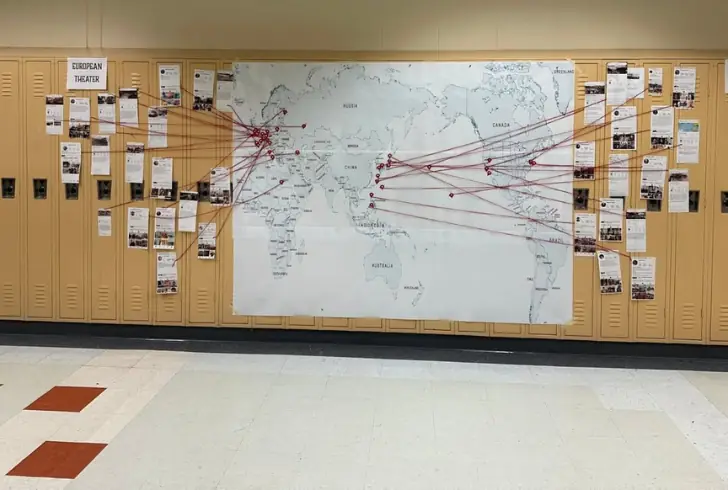
Table: Relevance of WWII Today (%)
| Country | Very or Fairly Relevant | Neither Answer | Not Very/Not At All Relevant |
|---|---|---|---|
| Spain | 87% | — | 9% |
| Italy | 84% | — | 11% |
| Britain | 84% | — | 10% |
| US | 81% | — | 10% |
| France | 79% | — | 12% |
| Germany | 72% | 10% | 18% |
Also, 31% to 52% of respondents across countries believe Nazi-era crimes could occur again within their own nations, while even more feared a repeat in other Western countries or the US.
Are you more proud or ashamed of your country’s role in the second world war?
Sentiment about national wartime roles varies significantly. Citizens of the UK and the US express the most pride in their country’s involvement during World War II. However, Germany and Italy display more internal conflict over their historic roles.
Table: Pride or Shame in National WWII Role (%)
| Country | More Proud | Neither/Nor | Don’t Know | More Ashamed |
|---|---|---|---|---|
| Britain | 66% | 27% | — | 6% |
| US | 61% | 24% | — | 12% |
| France | 31% | 45% | 10% | 14% |
| Italy | 7% | 42% | 9% | 41% |
| Germany | 40% | — | 7% | 50% |
Around 46% of Germans said their country has handled its wartime history appropriately. However, 47% believe Germany remains overly cautious about its Nazi past, limiting its ability to deal with current issues.
Continued Lessons From History Shape Present Views
These findings come at a critical moment. They reflect deep-rooted fears, informed not just by the past but by modern tensions and uncertainties. NATO and the United Nations continue to be seen as peacekeeping forces, with between 52% and 66% across the surveyed countries crediting them for maintaining global stability. Additionally, up to 56% believe the European Union plays a meaningful role in preventing another continental conflict.
The concern over another global war is no longer just a subject for political analysts—it’s a reality felt by the public. With such strong opinions, governments across the Atlantic will likely face growing pressure to balance diplomacy, defense, and education to maintain peace.